Research conducted at Britain’s University of Southampton suggests that women could help to protect themselves from developing breast cancer by adding watercress to their diet. Molecular oncologist Professor Graham Packham and colleagues studied a small group of breast cancer survivors, who underwent a period of fasting before eating 80g of watercress and then providing a series of blood samples over the next 24 hours. Results showed that ingestion of watercress led to a rapid rise in plasma levels of a compound present in watercress called phenethyl isothiocyanate (PEITC). Previous studies have shown that PEITC decreases the phosphorylation of the translation regulator 4E binding protein 1 (4E-BP1). Decreased 4E-BP1 phosphorylation has been linked to the inhibition of cancer cell survival and decreased activity of the transcription factor hypoxia-inducible factor (HIF), which helps tumors grow by promoting the growth of new blood vessels. Further analysis of peripheral blood cells from four participants revealed that phosphorylation of 4E-BP1 was significantly reduced 6 and 8 hours after eating watercress. Study leader Professor Packham, a molecular oncologist at the University of Southampton, commented: “The research takes an important step towards understanding the potential health benefits of this crop since it shows that eating watercress may interfere with a pathway that has already been tightly linked to cancer development.” The authors concluded: “Dietary intake of watercress may be sufficient to modulate this potential anti-cancer pathway.”
Previous studies have shown that the omega-3 fatty acids in oily fish and fish oil supplements may slow cancer progression by reducing inflammation and by a variety of other mechanisms. Konrad M. Szymanski, from McGill University Health Center (Quebec, Canada), and colleagues completed a meta-analysis of 31 published studies of prostate cancer, including 12 case-control studies involving 5,777 cases. While the team found no link between eating fish and men's risk of developing prostate cancer, they did observe that men who ate more fish were 44% less likely to develop metastatic prostate cancer. Higher fish consumption also was associated with a 63% lower risk of dying from prostate cancer. The researchers suggest that fish consumption may reduce prostate cancer mortality by reducing men's likelihood of developing metastatic disease, positing that the anti-inflammatory effect of the oils present in fish oils may play a critical role.

Recent studies have suggested that total coffee and tea consumption may inversely associate with risk of glioma, tumors that originate in the brain’s supportive tissue, and data exists that suggests that caffeine may slow the invasive growth of glioblastoma tumors, a form of aggressive primary brain cancer. Dominique S. Michaud, from Imperial College (United Kingdom), and colleagues studied the association between coffee, tea, or caffeinated beverages and glioma risk, engaging data collected from over half a million people enrolled in the European Prospective Investigation into Cancer and Nutrition (EPIC) study. The researchers found that daily consumption of more than 100 milliliters (mL; 3.4 ounces) of tea or coffee significantly reduced glioma risk (as compared consuming less than 100 ml per day). Concluding that: “In this large cohort study, we observed an inverse association between total coffee and tea consumption and risk of glioma that was consistent with the findings of a recent study,” the team suggests that: “These findings, if further replicated in other studies, may provide new avenues of research on gliomas.”
Via computer-assisted techniques, European researchers have identified the eEF1A elongation factor as a therapeutic target in cancer cells. As such, Robert Kiss, from the Universite Libre de Bruxelles (Belgium), and colleagues have found that narciclasine, a natural compound found in daffodil bulbs, inhibits the proliferation of very aggressive cancer cells, while avoiding adverse effects on normal cells. The team grafted human melanoma brain metastatic cells into the brains of genetically altered mice, and found that the injected mice survived significantly longer when treated with narciclasine, as compared to mice that were left untreated. Observing that narciclasine markedly reduced cancer cell proliferation and migration, the researchers write that: “At nontoxic doses, narciclasine … significantly improves the survival of mice bearing metastatic apoptosis-resistant melanoma xenografts in their brain.”

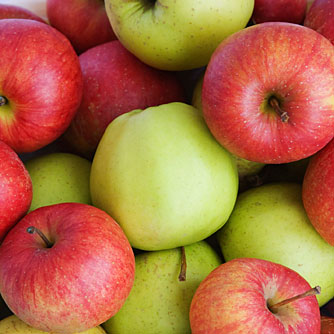
Previous research has suggested that different food matrixes may affect the bioavailability of polyphenols in the colon. In that apples are rich in a diverse array of vitamins, minerals and polyphenol antioxidants, German researchers find that apple smoothies deliver a higher quantity of bioavailable polyphenols to the colon than apple juices or ciders, and may therefore be effective in the prevention of chronic colon diseases. Stephanie Hagl, from the Division of Food Chemistry and Toxicology, University of Kaiserslautern (Germany), and colleagues completed a study to determine the amounts of polyphenols and quinic acid reaching a simulated healthy colon (represented by ileostomy bags) after ingestion of apple smoothie, a beverage containing 60% cloudy apple juice, and a 40% apple puree or cider. The team found that the amounts of polyphenol and quinic acids reaching the ileostomy bags were considerably higher after apple smoothie consumption, as compared to after the consumption of cloudy apple juice or cider. The researchers speculate that the differences in bioavailability may be related to the differences in the amounts of cell wall constituents which may reduce polyphenol metabolism. They conclude that: “These results suggest that the food matrix might affect the colonic availability of polyphenols, and apple smoothies could be more effective in the prevention of chronic colon diseases than both cloudy apple juice and apple cider.”