Cancer Risk etiketine sahip kayıtlar gösteriliyor. Tüm kayıtları göster
5 Aralık 2012 Çarşamba
Vitamin K May Slash Cancer Risk
Previous studies have elucidated benefits of vitamin K2, most notably in promoting bone and cardiovascular health. Jakob Linseisen, from the German Research Centre for Environmental Health (Germany), and colleagues studied 24,340 subjects, ages 35 to 64 years, enrolled in the EPIC-Heidelberg study. The participants were following for over 10 years, during which 1,755 cases of cancer were documented, with 458 of these as fatal. The team found that those study subjects with the highest average intakes of vitamin K2 were 14% less likely to develop cancer, as compared to people with the lowest average intakes. Furthermore, increased vitamin K2 intakes corresponded to a 28% reduction in cancer mortality.
Daily Variety of Fruits & Vegetables May Slash Lung Cancer Risk
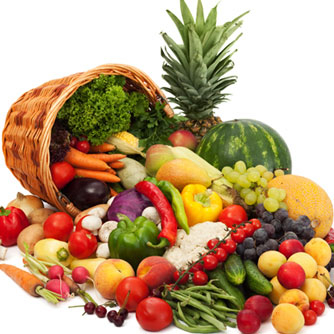
Previous research has shown the influence of the quantity of fruits and vegetables on cancer development. H. Bas Bueno-de-Mesquita, from The National Institute for Public Health and the Environment (The Netherlands), and colleagues have completed a unique study that evaluated the diversity of fruit and vegetable consumption, rather than quantity, in reducing cancer risk. Using data collected in the European Prospective Investigation into Cancer and Nutrition (EPIC) study, the tea, evaluated 452,187 participants, obtaining information was on 14 commonly eaten fruits and 26 commonly eaten vegetables. Regardless of the amount, the researchers found that risk of lung cancer also decreased when a variety of vegetables were consumed. In addition, the risk of squamous cell carcinoma decreased substantially when a variety of fruits and vegetables were eaten. Positing that fruits and vegetables contain many different bioactive compounds, and that by consuming a daily variety of fruits and vegetable we can ingest a rich mix of these bioactive compounds, the team concludes that: “Independent from quantity of consumption, variety in fruit and vegetable consumption may decrease lung cancer risk.”
Swimming in Chlorinated Pools May Increase Cancer Risk
Chlorination is the most commonly used method of disinfecting the water in swimming pools. Levels of disinfection by-products (DBPs) in swimming pool water are not necessarily higher than those in drinking water, however swimming in an indoor pool is known to lead to a greater uptake of compounds such as trihalomethanes (THMs), which are inhaled and absorbed by the skin. Thus, there has been concern that swimming in an indoor chlorinated pool could increase a person’s risk of developing cancer. Researchers collected blood, urine, and exhaled air samples from 49 non-smoking adults before and after they swam for 40 minutes in an indoor chlorinated pool. Evidence of genotoxic (DNA damaging) effects was observed in all participants – micronuclei in blood lymphocytes, and urine mutagenicity (Ames assay). Results also showed that the total concentration of the four most common THMs in exhaled breath was seven times higher after swimming. The authors concluded: “Our findings support potential genotoxic effects of exposure to DBPs from swimming pools. The positive health effects gained by swimming could be increased by reducing the potential health risks of pool water.”
Vitamin D Plus Calcium Reduces Skin Cancer Risk
Recently, a number of studies have suggested a link between increased vitamin D levels and lower risks of certain cancers. As well, in that calcium plays a role in the body’s conversion of vitamin D to its biologically active form, a growing body of evidence suggests a preventative role relating to cancer, for the combination of vitamin D and calcium. Jean Y. Tang, from Stanford University School of Medicine (California, USA), an d colleagues investigated non-melanoma skin cancer -- such as basal cell or squamous cell cancers -- the most common forms of skin cancer, as people with this generally non-fatal disease are more likely to develop the more lethal illness — melanoma. The team analyzed data from the Women's Health Initiative, which involved 36,282 postmenopausal women who received either 400 international units of vitamin D and 1,000 milligrams of calcium carbonate per day, or placebo. Those subjects who received the supplement combination had a 50% reduction in the risk of developing melanoma in women at high risk of developing the disease, leading the researchers to encourage that their findings “[suggest] a potential role for calcium and vitamin D supplements in this high-risk group.”
Folate May Reduce Breast Cancer Risk
Folate, a B vitamin, is found in foods such as green leafy vegetables. Martha J. Shrubsole, from Vanderbilt Epidemiology Center (Tennessee, USA), and colleagues analyzed data collected from the Shanghai Women's Health Study, involving 72,861 participants, ages 40 to 70 years. The team assessed for potential relationships between intakes of folate, niacin, and vitamin B6 and B12 and incidence of breast cancer. During the course of the study 718 cases of breast cancer were diagnosed. While the researchers found no link between vitamin B6 and B12 intakes and the risk of breast cancer in both pre- and post-menopausal women, they did observe that folate intake was associated with a reduced risk of breast cancer – with the effect limited to premenopausal women. Specifically, average intakes of 404 micrograms per day were associated with a 42% reduction in the risk of breast cancer, as compared with average intakes of 194 micrograms per day. The team concludes that: “For premenopausal women, higher intake of folate was associated with decreased breast cancer risk.”
Moderate Red Wine Consumption May Lower Breast Cancer Risk

Drinking red wine in moderation may reduce one of the risk factors for breast cancer, providing a natural weapon to combat a major cause of death among American women. Chrisandra Shufelt, from Cedars-Sinai Heart Institute (California, USA), and colleagues studied 36 women who were randomized to drink either Cabernet Sauvignon or Chardonnay daily for almost a month, then switched to the other type of wine. Blood was collected twice each month to measure hormone levels. Researchers sought to determine whether red wine mimics the effects of aromatase inhibitors, which play a key role in managing estrogen levels. Aromatase inhibitors are currently used to treat breast cancer. The team found that chemicals in the skins and seeds of red grapes slightly lowered estrogen levels while elevating testosterone among premenopausal women who drank eight ounces of red wine nightly for about a month. Concluding that: “These data suggest that red wine is a nutritional [aromatase inhibitor] and may explain the observation that red wine does not appear to increase breast cancer risk,” the study authors submit that this data challenges the widely-held belief that all types of alcohol consumption heighten the risk of developing breast cancer.
Fiber May Reduce Breast Cancer Risk
Numerous studies established the wide-ranging health benefits of fiber. Most notably, increased dietary intake of fiber associates with lower risks of dying from cardiovascular, infectious, and respiratory diseases. D. Aune , from Imperial College London (United Kingdom), and colleagues completed a meta-analysis in which they observed that soluble fiber exerted an effect on the risk of breast cancer. Specifically, the researchers observed that for every 10 g per day increase in soluble fiber intake, a woman may reduce her risk of breast cancer by up to 26%. No such effect was observed for insoluble fiber. Good sources of soluble fiber include oatmeal, oat cereal, lentils, apples, oranges, pears, nuts, flaxseeds, beans, dried peas, blueberries, psyllium, cucumbers, celery, and carrots. The study authors conclude that: "In this meta-analysis of prospective studies, there was an inverse association between dietary fiber intake and breast cancer risk.”
Farm Chemicals May Increase Cancer Risk
Dietary cadmium, a toxic metal widely dispersed in the environment and found in many farm fertilizers, may lead to an increased risk of breast cancer, according to a study by researchers from the Karolinska Institutet (Sweden). Some scientists are concerned about cadmium because contamination of farmland mainly due to atmospheric deposition and use of fertilizers leads to higher uptake in plants. Agneta Akesson and colleagues observed 55,987 women for more than 12 years. They estimated the dietary cadmium exposure using a food frequency questionnaire. During the follow-up period, researchers observed 2,112 incidences of breast cancer including 1,626 estrogen receptor-positive and 290 estrogen receptor-negative cases. Cadmium consumption was divided into three groups with the highest levels of exposure compared with the lowest. Overall, a higher exposure to cadmium via diet was linked with a 21% increase in breast cancer. Among lean and normal weight women, the increased risk was 27%. Both estrogen receptor-positive and negative tumors had the same risk increase at roughly 23%. The study authors conclude that: "Overall, these results suggest a role for dietary cadmium in postmenopausal breast cancer development.”
Multivitamin Exerts “Modest but Significant” Reduction in Cancer Risk

An estimated one-third of Americans take a daily multivitamin supplement, the composition of which mimics healthy fruit and vegetable compounds. J. Michael Gaziano, from Harvard Medical School (Massachusetts, USA), and colleagues analyzed data collected in the Physicians' Health Study (PHS) II, that includes 14,641 male U.S. physicians, initially age 50 years or older. Subjects received a daily multivitamin or equivalent placebo, and were followed for an average of 11.2 years. During multivitamin treatment, there were 2,669 confirmed cases of cancer, including 1,373 cases of prostate cancer and 210 cases of colorectal cancer, with some men experiencing multiple events. A total of 2,757 (18.8%) men died during follow-up, including 859 (5.9%) due to cancer. Analysis of the data indicated that men taking a multivitamin had a modest 8% reduction in total cancer incidence. The researchers found that a multivitamin significantly reduced the risk of total cancer (excluding prostate cancer - the early stage of which was the cause of half of all incident cancers in the study). There were no statistically significant reductions in individual site-specific cancers, including colorectal, lung, and bladder cancer, or in cancer mortality. Reporting that: “Daily multivitamin use was associated with a reduction in total cancer among 1312 men with a baseline history of cancer,” the study authors conclude that: “In this large prevention trial of male physicians, daily multivitamin supplementation modestly but significantly reduced the risk of total cancer.”
Citrus Fruits May Help Lower Men’s Cancer Risk
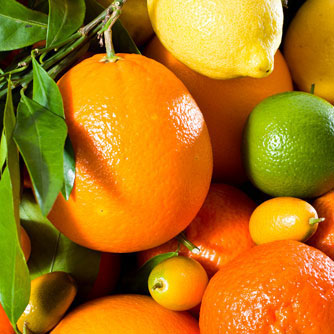
There are over 4,000 flavonoids identified in fruits, vegetables, and beverages (such as tea, coffee, wine, and fruit drinks). Experimental studies have suggested that flavonoids may exert an anti-inflammatory action, induce cell death, and impair angiogenesis – all of which may help to lower men’s risks for aggressive prostate cancer. Susan E. Steck, from the University of South Carolina (South Carolina, USA), and colleagues analyzed data collected on 920 black and 977 white men who were newly diagnosed with prostate cancer, enrolled in the North Carolina–Louisiana Prostate Cancer Project (PCaP), a multidisciplinary study of the social, individual, and tumor-level causes of racial differences in disease aggressiveness. The researchers used the 2011 US Department of Agriculture (USDA) Database for the Flavonoid Content of Selected Foods to help them calculate total flavonoid intake among study subjects. The team observed that men with the highest intake of flavonoids had a 25% lower risk for aggressive prostate cancer, as compared to men with the lowest flavonoid intake; the results did not differ by race. The investigators observed orange and grapefruit juices and tea to be the main contributors to total flavonoid intake for all study participants combined.
Kaydol:
Kayıtlar (Atom)